
You already know you need an AI SEO tool in 2024 – what you do not know is whether Search Atlas or Ahrefs will actually move the needle for your content and rankings.
Most comparisons lump these platforms into generic “SEO tool” lists. They skip the real question: which tool’s AI features fit your workflow, content volume, and budget – and where does each one fall short?
This comparison fixes that. You will look only at the AI side of Search Atlas and Ahrefs. You will see how they plug into real workflows like content planning, writing, optimization, and reporting so you can decide which platform is the better fit for your business today.
Drawing from current AI SEO use cases, feature sets, and how marketers, small businesses, and creators actually adopt these tools, this guide skips beginner SEO theory. You will get a clear, practical view of how each tool helps you work faster, rank better, and waste less time.
The specific long-tail query this guide answers
1. Target long-tail keyword and intent for this comparison
This guide is built around one core long-tail query:
“Search Atlas vs Ahrefs for AI SEO workflows”
Someone searching that is not asking “what is SEO.” They already know the basics.
They want to know:
- Which tool fits real AI-powered workflows, not just old school SEO.
- How each tool helps with content planning, optimization, and reporting.
- Where to spend their budget if they can only choose one main platform.
So this guide speaks to you if:
- You run a site, agency, or content team.
- You care about using AI to save time, not just to generate fluff.
- You want a clear verdict for your situation, not a neutral shrug.
Best AI SEO tools lists often tell you “Ahrefs is great” and stop there. You need more detail than that.
2. Why general SEO tool comparisons fall short
Most SEO tool roundups gloss over one key shift: AI is now part of the core workflow.
Old style comparisons focus on:
- Who has more keywords in the database.
- Who has more backlink metrics.
- Who runs faster site audits.
Those points still matter. But they miss how AI changes your day to day work.
You now need answers like:
- Which tool helps you turn data into briefs and content with less manual work.
- Which one plays nicest with AI-first strategies discussed in current AI SEO research.
General posts rarely go deep on that.
This guide does. It looks at Search Atlas and Ahrefs through one lens:
“Which AI SEO tool fits your real workflow and goals?”
Also Read: How to Use AI SEO Tools to Boost Your Rankings Quickly
How Search Atlas and Ahrefs approach AI in SEO differently
1. Search Atlas: AI-first content and on-page optimization
Search Atlas treats AI as the main engine, not a side feature.
It focuses on helping you ship content and on-page updates fast with automation. According to searchatlas.com, their AI SEO framework is built to shape how large language models read, trust, and cite your site.
Key ways it uses AI:
- AI content planning – cluster keywords, map topics, and plan briefs in one flow.
- On-page optimization – suggest headings, entities, and internal links based on what LLMs and search engines expect.
- LLM visibility tracking – monitor how often AI tools surface or cite your brand.
In short, you give it a goal like “rank and get cited,” and the system pushes concrete actions and drafts so you move faster.
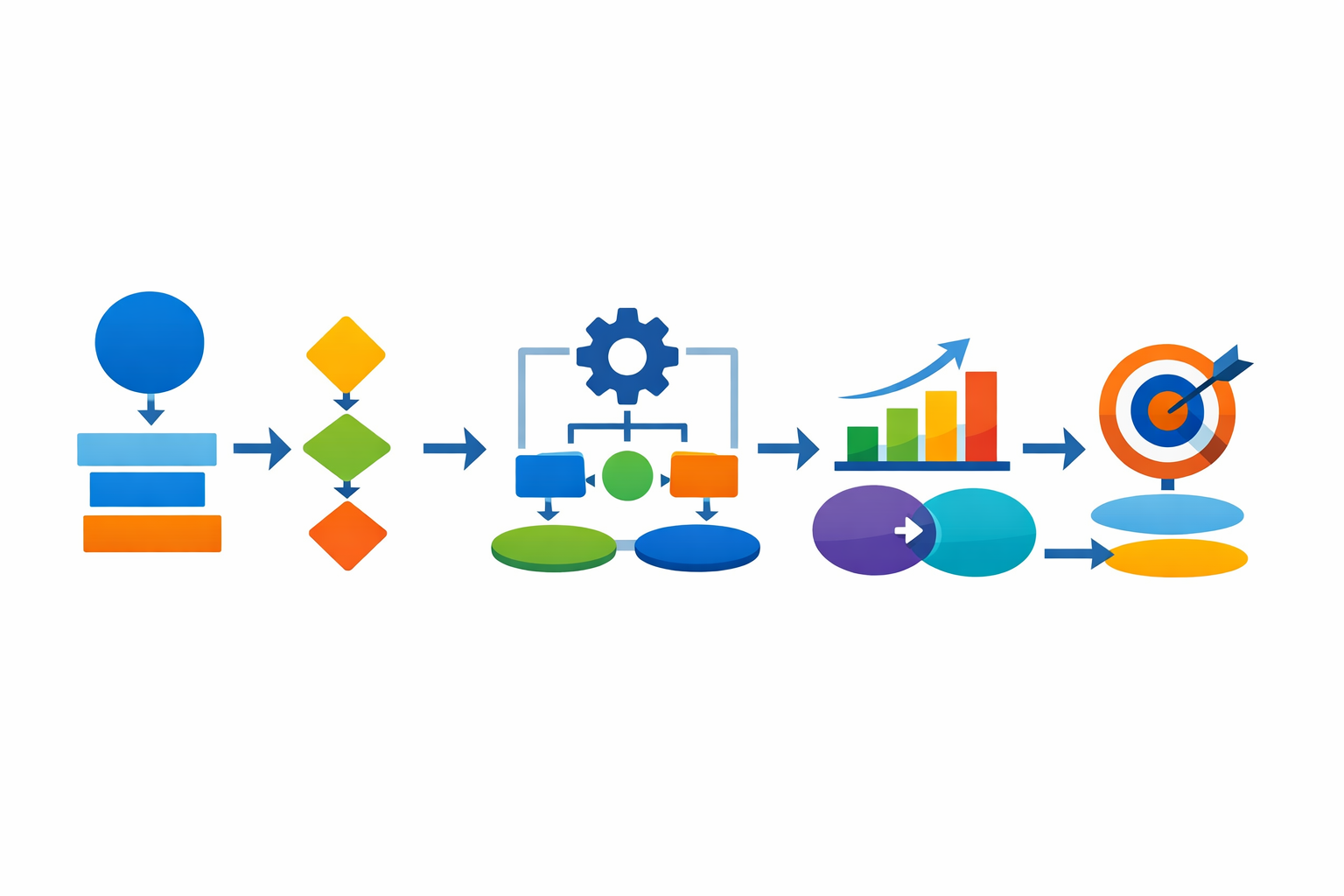
2. Ahrefs: Data-rich SEO with emerging AI assistance
Ahrefs still leads with data first: backlinks, keywords, and technical issues. The AI layer sits on top of that big dataset.
Based on comparisons like getsearchengine.com, Ahrefs shines as a “truth engine” for:
- Huge backlink index
- Deep keyword and competitor data
- Strong site audits
Its newer AI features mostly help you:
- Summarize audits and reports
- Surface insights from large datasets
- Monitor brand mentions in AI systems (through add-ons)
You still drive the strategy. AI helps decode the data faster.
3. Where their AI philosophies diverge
Here is the core split:
- Search Atlas: “Let AI do as much execution as possible.”
- Ahrefs: “Keep humans in control, use AI to explain big data.”
Pick Search Atlas if you want AI-heavy workflows that write, optimize, and track AI visibility.
Pick Ahrefs if you want to stay close to raw SEO data and let AI help you interpret it, not run the show.
Platforms like Best AI SEO Tools sit above both styles and help you compare these AI philosophies across many tools before you commit.
Feature-by-feature AI comparison for real SEO workflows
Ahrefs and Search Atlas both say they use AI. The real question is how that feels in your daily work.
nytimes.com reports that most marketers now use AI daily, but the gains depend on how well tools fit real workflows. That is the lens we will use here.
1. Content ideation and topic research
Search Atlas
- Atlas Brain can turn one seed topic into a full topical map.
- It suggests clusters, angles, and FAQs in one chat style flow.
- Great when you plan a full hub, not just one post.
Ahrefs
- Stronger on raw data with Keywords Explorer and Content Explorer.
- You spot patterns yourself: gaps, trending topics, and linkable angles.
- Better for SEOs who like to think with data, not prompts.
2. Briefs, outlines, and on-page optimization
Search Atlas
- One click from idea to AI brief, outline, and draft.
- Built in content grader and internal linking ideas.
- Good for small teams that need speed over deep control.
Ahrefs
- Gives keyword data, SERP overview, and page level stats.
- You still build the brief in Google Docs or another tool.
- Fits agencies that already have set briefing templates.
If you want a wider view of AI SEO tools beyond these two, Best AI SEO Tools can help you scan options without testing each tool yourself.
3. Keyword research and SERP analysis with AI assistance
Search Atlas
- AI clusters keywords, then suggests which page should target which group.
- Helps avoid cannibalization and messy site structures.
Ahrefs
- Huge keyword index and strong SERP features.
- AI gives hints, but the core power is still classic metrics and filters.
- Better when you care about volume accuracy and global data size.
4. AI support for link building and digital PR
Search Atlas
- Otto SEO agent can find prospects, draft outreach, and log status.
- Feels like a junior outreach assistant built into the platform.
Ahrefs
- Top tier backlink data and competitor link gaps.
- You still export, score, and pitch with other tools.
- Ideal if your main need is link research depth, not outreach automation.
Also Read: SEMrush vs Ahrefs vs Search Atlas: Best SEO Tools Compared
Which AI SEO tool fits your role and business model?
Picking the right tool is less about features and more about how you work. Let’s match your role to the better fit: Search Atlas or Ahrefs.

1. Solo bloggers and content-focused creators
You care about 3 things: ideas, speed, and rankings without deep tech work.
Search Atlas is usually the better pick if:
- You want AI to plan and draft content for you.
- You like the idea of Content Genius building outlines and optimizing by passage, not just keywords, as shown on searchatlas.com.
- You want one place that does topical maps, content briefs, and rewrites.
Ahrefs fits better if:
- You already have a writing system and just want strong keyword and SERP data.
- You are happy writing yourself and only need content gaps and backlink ideas.
2. Small businesses and in-house marketers
You juggle SEO with ten other jobs. You need leverage.
Search Atlas fits if:
- You want an AI assistant to build strategies and execute tasks through Atlas Brain, which runs across many tools in one flow, as highlighted on searchatlas.com.
- You like having audits, content, and reporting in one platform.
Ahrefs fits if:
- You already rely on Google Search Console and Google Analytics 4, and only need deep link/keyword insight.
- You prefer to send tasks to devs and writers instead of letting AI do it.
3. Agencies and multi-client teams
Your problems are scale, speed, and reporting.
Choose Search Atlas if:
- You want to cut grunt work with AI that builds topical maps, rewrites content, and automates reports across many clients.
- You care about replacing several tools with one stack.
Choose Ahrefs if:
- Your agency already has strong content ops and just needs best-in-class backlink and competitor data.
- Your reporting is built elsewhere and you use Ahrefs as the source of truth for links and keywords.
Pricing, ROI, and productivity: evaluating real-world value
1. Comparing cost vs AI-powered outcomes
Think in terms of output and revenue, not just subscription fees.
Search Atlas leans into AI content and on-page automation. Ahrefs leans into deep link data and competitive research. Both can pay off, but in different ways.
Industry data shows AI SEO stacks often beat traditional setups on ROI. One analysis of AI SEO programs reported average returns of 385% vs 295% for classic SEO methods, thanks to lower labor costs and faster content output, as outlined on stridec.com.
So your key questions:
- How much content and optimization work can you replace with AI?
- Will better data actually change your decisions and results?
- Does the tool remove the need for other paid tools?
Use a simple check: if the tool cost is less than 10 to 20 percent of the revenue that organic search brings in, and it helps you grow that revenue, you are in a good range.
2. Productivity benchmarks for different team sizes
Use AI tools to buy back hours.
Studies on AI agent systems show big gaps: one AI-driven setup cut costs by about 75 percent while tripling monthly content output, based on data shared on battlebridge.com.
Rough benchmarks to aim for:
-
Solo creator or small business
- Target: 10 to 20 SEO pieces per month
- Use AI for briefs, drafts, and optimizations
-
In-house team of 3 to 5
- Target: 40 to 80 pieces per month across blog, landing pages, and updates
- Use AI for audits, internal linking, and bulk tweaks
-
Agency
- Target: 5x to 10x client output without adding headcount
- Use AI to standardize audits, reports, and content outlines
If a tool like Search Atlas or Ahrefs is not lifting those numbers, or saving at least a day per week across the team, the stack and workflows need a rethink.
Also Read: 5 Best SEO Automation Software to Streamline Your Workflow
Decision framework: how to choose between Search Atlas and Ahrefs
1. Step-by-step checklist for choosing your AI SEO tool
Use this like a quick scorecard.
-
Define your main job
- Spend most of your time writing and shipping content fast? Lean to Search Atlas.
- Live in competitor research and backlink audits? Lean to Ahrefs.
-
Decide data vs automation
- Want deep data for manual plans? Ahrefs is stronger here, as many reviews on getsearchengine.com point out.
- Want AI workflows, clustering, briefs, and LLM visibility tracking? Search Atlas wins.
-
Check budget and seats
- Tight budget or need many users included? Search Atlas is often more cost friendly.
- Solo SEO with bigger budget for data depth? Ahrefs is fine.
-
Match to your stack
- Already rely on Google Search Console and GA4 for tracking? Either tool fits.
- Want one platform that ties AI content, links, and reporting together? Search Atlas fits better.
-
Map to your role
- Blogger, solo creator, or small business: usually Search Atlas.
- SEO lead in a data heavy team: usually Ahrefs.
If you are still unsure, browse a directory like Best AI SEO Tools to compare more AI first options side by side.
2. When to consider combining tools or switching later
You do not need to marry one tool forever.
Consider combining both when:
- You run an agency that needs:
- Ahrefs for deep backlink and competitor research.
- Search Atlas for AI content, LLM visibility, and client friendly reporting.
- You build high authority sites where every link and keyword gap matters.
Consider starting with Search Atlas then adding Ahrefs when:
- You are early stage, need speed, and care about AI search exposure.
- You later grow into heavy link building and want more historical link data.
Consider starting with Ahrefs then moving to Search Atlas when:
- You used Ahrefs for years, but now your bottleneck is execution, not insight.
- You feel you sit on data you never turn into live content.
Smart move: review your tool every 6 to 12 months.
Ask one question: “Is this tool saving me more money and time than it costs?”
If the answer is no, switch, or pair it with a better AI focused platform.
Choose the tool that aligns best with your current SEO bottlenecks – then commit to testing it on a focused 60–90 day campaign, and use our AI SEO tools pillar guide to refine or expand your stack as you grow. Explore curated options on Best AI SEO Tools now.
Frequently Asked Questions
Q1: Is Search Atlas or Ahrefs better for pure AI content workflows?
Pick Search Atlas if you want AI to touch almost every step: topic ideas, briefs, drafts, and on-page optimization tips in one flow.
Ahrefs is better for deep data and manual control. You get strong SEO insights, but you will likely pair it with other AI tools for writing and ideation.
Q2: Which tool should a small business pick first?
Start with Ahrefs if you need solid keyword research, backlink data, and simple tracking.
Choose Search Atlas if you feel stuck on content output and want AI help to publish more high quality pages each month. Your bottleneck decides.
Q3: Can I use both Search Atlas and Ahrefs together?
Yes, and it can work very well.
Use Ahrefs for keyword validation, SERP checks, and link analysis. Then use Search Atlas to plan and create AI-assisted content from those targets. Many agencies stack tools like this to speed up client work.
Q4: Who gets more value from Search Atlas than Ahrefs?
Content focused marketers, solo bloggers, and small teams who struggle to publish enough tend to get more from Search Atlas.
If you already know your basic SEO and want AI to speed briefs, drafts, and updates, its workflows fit you. Heavy technical SEOs may still lean on Ahrefs first.
Conclusion
Picking between Search Atlas and Ahrefs comes down to one thing: how you actually work.
Search Atlas leans AI-first for content ideation, briefs, and on-page optimization. It shines if you ship a lot of content.
Ahrefs is still the data beast. AI is there to sharpen insights, prioritization, and research, not to run your content pipeline.
The right tool depends on your bottleneck, role, and business model, not hype.
Judge pricing by productivity and ROI, not just monthly fees.
Then use a simple decision framework, test both on real workflows, and keep the one that makes you faster.
2 thoughts on “Search Atlas vs Ahrefs: Which AI SEO Tool Fits Your Needs?”
Comments are closed.