In 2026, dozens of AI-powered SEO tools compete for attention, yet SEMrush continues to dominate expert shortlists and SEO tool directories worldwide.
You probably feel it too. Marketers and small business owners see endless feature grids and copy‑paste reviews, but still do not know why SEMrush, specifically, earns the top slot.
The real question is simple: what does SEMrush actually do better right now, in 2026, that justifies building your whole SEO workflow around it?
This news-style deep dive looks at concrete, up-to-date capabilities inside the SEMrush SEO tool. You will see how its AI-driven workflows, integrated toolset, and reporting stack work together to drive real search gains.
Drawing on current feature releases, real use cases, and how SEMrush ranks in leading Best AI SEO Tools directories, the focus here stays on practical advantages, not marketing hype.
The 2026 Search Landscape: Why SEMrush Still Tops SEO Tool Directories
Search in 2026 is messy. You are not just fighting for blue links now. You are fighting for space in AI Overviews, chat answers, and zero click SERPs.
That shift changed what people expect from SEO tools. Point solutions feel slow and clunky. Marketers want one place to see everything and act fast. That is where SEMrush keeps winning.
semrush.com now sells itself as a full search visibility platform, not just an SEO suite. Independent tests still rate it ahead of Ahrefs on breadth of features and workflow coverage, even when Ahrefs wins on pure backlink data, as shown in comparisons like aitoolrise.com.

1. From point solutions to unified SEO platforms
Think about your real day:
- Research keywords
- Plan content
- Brief writers
- Track rankings
- Watch competitors
- Report to bosses or clients
Juggling five tools for that is a pain. SEMrush bundles keyword research, site audit, content tools, rank tracking, PPC intel, and social into one login.
That is why many SEO tool directories still rank it at or near the top. It covers more jobs per dollar than a stack of single purpose apps. For a marketer or founder, that matters more than tiny differences in one feature.
2. AI native SEO tools raise the bar
AI is not a nice extra now. It is baked into search itself. Tools that bolt AI on as a widget feel dated.
SEMrush leans into AI in a few key ways:
- AI driven keyword clustering for faster topic mapping
- Content tools that build briefs from live SERP data
- AI visibility tracking across Google AI Overviews and major LLMs
That mix hits what directories like Best AI SEO Tools care about: real workflow impact, not just shiny features.
So while rivals like Ahrefs or Search Atlas beat it in some narrow lanes, SEMrush still looks like the safest “default” pick in 2026. It solves more of the full search problem from one dashboard, and that is what most users actually need.
Also Read: Reviewing SEMrush’s SEO Automation Software Features in 2026
AI-Driven Workflows: How to Use SEMrush for SEO in 2026
SEMrush in 2026 is less “set of tools” and more “AI co-worker.” If you use it like old school rank tracking, you are wasting money. Use it to decide what to create, how to structure it, and what to fix in near real time.
1. Keyword research that predicts opportunity, not just volume
Stop chasing volume. You need topics where:
- People are ready to buy
- Competitors are weak
- AI search can still quote you
In SEMrush, that means:
-
Use Keyword Magic Tool to:
- Filter for commercial and transactional intent
- Sort by KD% to find low and mid difficulty wins
- Save clusters that match your product or service
-
Layer in AI Visibility Toolkit:
- Use Prompt Research to see what people actually ask AI about your topic, not only Google
- Use Competitor Research to spot topics where AI mentions rivals but not you, as described in semrush.com
-
Build a short list:
- Topic has search demand
- Topic has AI prompt volume
- Your domain has at least some authority in that niche
If a topic looks great in SEO but you never appear in AI answers, treat it as a warning sign, not a green light.
2. AI-assisted content briefs and outlines
Do not start from a blank page.
Use Content Marketing Toolkit and SEO Content Template to:
- Pull top ranking pages
- Extract common headings, questions, and entities
- Get recommended word range, readability, and semantic phrases
Then:
-
Turn that into a brief inside SEMrush:
- Target keyword set
- Primary intent
- Core questions to answer
- Required internal links, like your complete guide to SEO tools
-
Feed the brief into your writing workflow:
- Use SEO Writing Assistant in Google Docs or WordPress
- Let it score tone, structure, and keyword use while you write
You end up with content that matches how humans search and how LLMs scan and extract, which lines up with findings in semrush.com.
3. On-page optimization with real-time AI suggestions
Think of this as live QA for every page.
In 2026, your loop should look like this:
-
Draft or update content with SEO Writing Assistant:
- Fix keyword stuffing
- Align tone with your brand
- Tighten readability
-
Run AI Search Optimizer on key pages:
- Move answers higher in each section
- Add missing definitions and entities
- Break walls of text into short blocks and lists
-
Validate with Site Audit:
- Check AI Search Health
- Fix blocked bots, missing llms.txt, and messy internal links
Once a page is live, track it:
- Add related prompts to Prompt Tracking inside Position Tracking
- Watch if ChatGPT or Google AI Mode start citing your site
This turns SEMrush from a reporting tool into a daily workflow: research, brief, write, optimize, then measure.
From Data to Decisions: How SEMrush Improves SEO Strategy End-to-End
SEMrush is not just a big data dump. It is a decision engine for your SEO week.
You go from “What is going on?” to “Here is what we do next” in one platform, instead of ten tabs and three spreadsheets.
1. Competitive intelligence that guides where to fight and where to ignore
Start with the competitive picture. SEMrush’s SEO Competitive Analysis tools show:
- Who your real search competitors are
- Which pages and keywords drive their traffic
- Where they get links and mentions
The Organic Rankings and Keyword Gap reports highlight keywords where rivals win and you are absent, so you can pick real battles instead of chasing vanity terms. The Backlink Gap tool shows domains that link to your competitors but not to you, giving you a warm outreach list, as described on semrush.com.
Use competitor data to say “no” faster. Ignore battles that need huge budgets or decades of authority.
If you list SEMrush inside Best AI SEO Tools, this is the first selling point: it cuts guesswork from your strategy.
2. Technical and site health insights that feed your backlog
Next, SEMrush Site Audit crawls your site and flags:
- Broken links and crawl issues
- Thin or duplicate content
- Slow pages and Core Web Vitals type problems
- Internal linking gaps
You get a simple health score and grouped issues, so you can turn raw errors into tickets. Instead of one giant “fix SEO” item, you leave with a clear backlog sorted by impact.
Treat Site Audit like a weekly checkup. Fix the high impact issues first, not the nerdy edge cases.
3. Reporting, alerts, and workflows that close the loop
Data is useless if it never changes behavior. SEMrush closes the loop with:
- Position Tracking across Google, Bing, and AI surfaces, highlighted in the SEO Toolkit overview on semrush.com
- Map Rank Tracker for local visibility
- Custom dashboards and My Reports for clients and bosses
- Alerts when rankings, traffic, or site health shifts
You see what moved after each sprint, then adjust. That tight feedback loop is why SEMrush keeps earning top spots in SEO tool directories and why it pairs so well with a curated hub like Best AI SEO Tools.
Also Read: SEMrush vs Ahrefs vs Search Atlas: Best SEO Tools Compared
Who Gets the Most Value from SEMrush in 2026?
Not everyone should pay for SEMrush. The tool is strongest for people who live in SEO every week, not once in a while.
bestaimarketing-tools.com points out that SEMrush shines when it becomes a central platform, not a side tool you open once a month.
Solo creators and bloggers building topical authority
If you run a serious blog or one‑person content business, SEMrush can be a cheat code.
You get:
- Keyword clusters from Keyword Magic instead of random ideas
- Topic research that shows real demand, not guesses
- Content tools that help shape outlines and briefs fast
Use it if you:
- Publish new content at least weekly.
- Care about ranking whole topic clusters, not just single posts.
- Want to see exactly why a rival blog outranks you.
If you only post now and then, SEMrush will feel heavy. In that case, lighter tools you find through directories like Best AI SEO Tools probably make more sense.
Small businesses and local brands competing above their weight
Local and small brands get big value when they treat SEO like sales, not a side project.
SEMrush helps them:
- See where bigger rivals get traffic
- Find buyer keywords that lead to calls and forms
- Fix site issues before they kill leads
The Local and AI Visibility features matter most if you compete in crowded cities or niches. Used weekly, SEMrush helps a small team punch at mid‑market level instead of staying invisible.
Why SEO Tool Directories Consistently Rank SEMrush at the Top
1. Key ranking criteria used in 2026 SEO tool directories
Most serious SEO tool directories now use similar scoring buckets. The details change, but the pattern is clear.
Typical 2026 criteria look like this:
-
Data depth and accuracy
- Size and freshness of keyword and backlink databases
- Match rate against real data from tools like Google Search Console
-
AI and automation features
- Ability to track AI search visibility and generative answers
- Quality of AI insights, not just AI-written text
-
Workflow coverage
- Keyword research, audits, rank tracking, content tools, and reporting in one stack
- How many separate tools you can replace
-
User and billing reputation
- Ratings on sites like Trustpilot vs G2 and Capterra
- Transparent pricing and trials, even if people still complain about billing UX
-
Value for money
- What you actually ship per dollar: projects, keywords, seats, and features
Across recent roundups, SEMrush keeps scoring as best all-in-one because it tops the board on database size, feature breadth, and AI visibility tracking, even when reviewers flag its weak billing UX, like in the analysis on getdailytoolbox.com.
2. How the SEMrush listing stands out in our own SEO tool directory
On Best AI SEO Tools, SEMrush sits at the top for one simple reason: it covers the most ground with the least duct tape.
Here is how its listing stands out:
-
Largest, most proven data stack
We highlight that independent tests and comparisons still rank SEMrush at or near the top for keyword intelligence and SERP depth, even when it loses some categories to Ahrefs or Search Atlas in data-only scoring, as you can see in the benchmark on diyai.io. -
AI visibility as a must-have, not a bonus
SEMrush is the only tool in our directory that gives true cross-platform AI visibility at scale. You see how your brand appears across Google AI Overviews, ChatGPT style answers, and similar experiences. That matters more every month. -
End-to-end workflow, not just “insight”
In our scoring notes, we call out this simple test: if a small team buys only one subscription, can they run full SEO with it? SEMrush is the only listing where the honest answer is “yes” for most users. -
Clear warnings about billing, without sugarcoating
Our SEMrush page does not hide the Trustpilot complaints echoed in other reviews. We tell people to set calendar reminders before trials end and to watch auto-renewal. The product scores high. The billing UX does not. -
Fit across user types
We rank SEMrush higher than Ahrefs for agencies and content-heavy brands, and slightly lower for pure backlink specialists. That nuance is spelled out in the listing so you can decide in under two minutes if it suits your real workflow.
Directories keep SEMrush on top not because it is perfect, but because it is the one tool that can credibly replace three or four others for most marketers.
Also Read: Top 10 SEO Tools Directory for 2026 Success
Limitations and When SEMrush Might Not Be the Right SEO Tool
SEMrush is powerful, but it is not a fit for everyone.
First, look at cost. Pro now starts around $139.95 per month, with the AI Toolkit another $99 on top in many cases, as outlined in reviews on semrush.com. For small blogs or side projects, that is hard to justify.
Next, think about focus. SEMrush is a full marketing suite. If you mostly care about backlinks or raw SEO research, a focused tool like Ahrefs can feel cleaner and less noisy, which some testers have also noted on aitoolrise.com.
You might also skip SEMrush if:
- You publish only a few posts a month
- You have no time to learn a complex tool
- You need deep local SEO without add-ons
- You manage many small domains on a tight budget
In those cases, mixing lighter single-purpose tools and a curated directory like Best AI SEO Tools often gives better ROI than locking into one large platform.
Ready to see if SEMrush is actually right for you, not just hyped up?
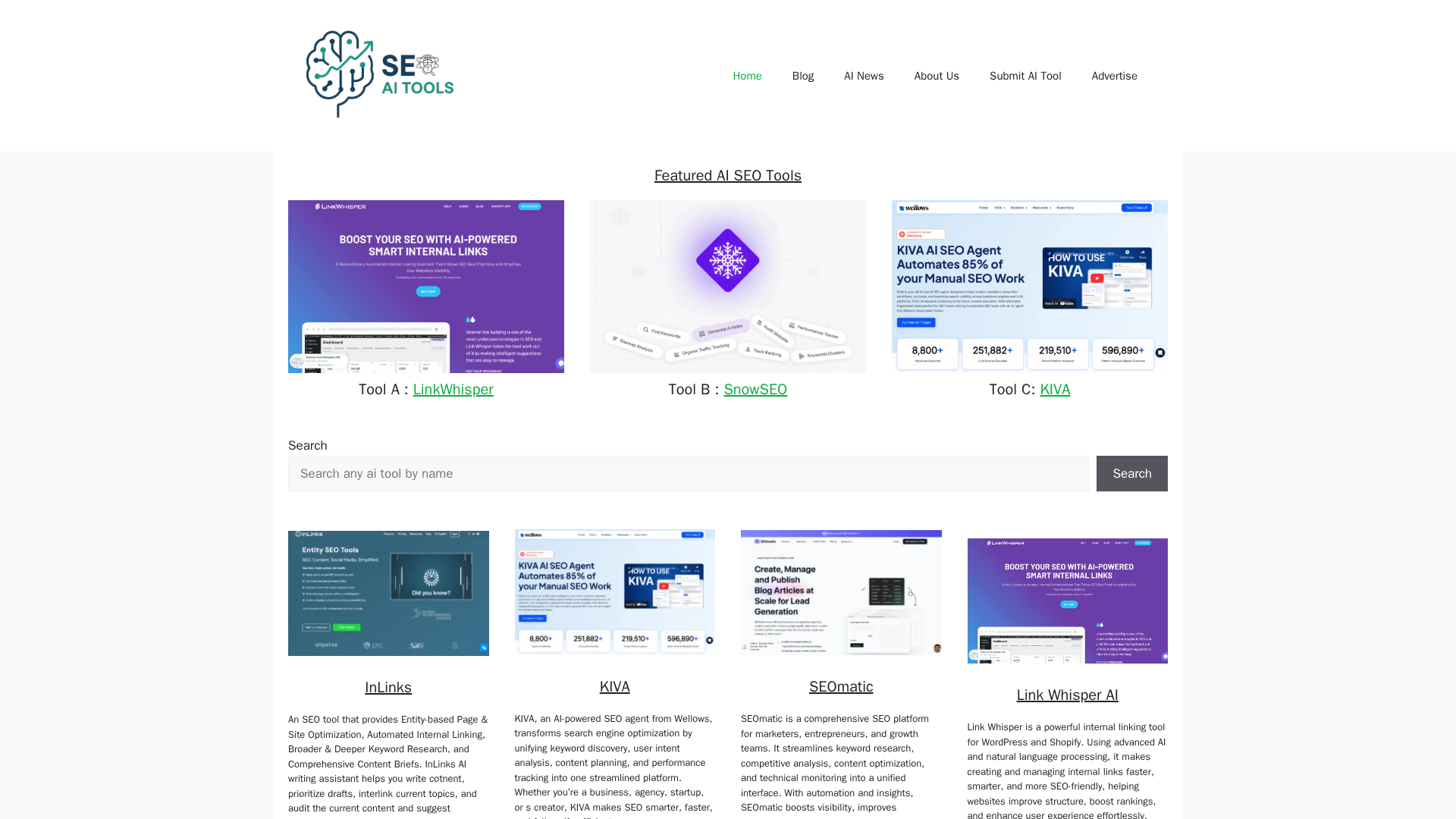
Explore the SEMrush listing in our SEO tool directory to see real user reviews, current pricing, and our in-depth feature breakdown before you commit at Best AI SEO Tools.
Frequently Asked Questions
Q1: Is SEMrush worth it for a small business in 2026?
Yes, if you treat it as a core marketing tool, not a toy.
Use it to track your main keywords, audit your site each month, and plan content.
If you only log in once, it is not worth it.
If you build simple weekly habits around it, the cost pays off fast.
Q2: How should I start with SEMrush if I feel overwhelmed?
Start with three steps:
- Run a Site Audit and fix red errors.
- Set up Position Tracking for 10 to 20 core keywords.
- Use Keyword Magic Tool to plan 5 new posts.
Ignore everything else for 2 weeks.
Once that feels easy, then add more features.
Q3: What makes SEMrush stand out from Ahrefs or Search Atlas?
SEMrush is stronger as an all in one marketing hub.
You get SEO, content tools, and PPC data in one place.
Ahrefs is great for backlinks and simple SEO.
Search Atlas is strong for content focus.
If you want one tool to plan, write, and report across teams, SEMrush usually wins.
Q4: How do I use SEMrush AI tools in my content workflow?
Use AI to speed work, not replace thinking.
- Create briefs with the Content Marketing Toolkit.
- Draft outlines with SEO Writing Assistant.
- Refine meta tags and headings.
Then add your own examples and voice.
AI gets you to a solid draft.
You make it worth reading.
Q5: Who should not choose SEMrush as their main SEO tool?
If you only need a few keyword ideas each month, SEMrush is too much.
A simple tool or a free option will do.
If you never act on data and hate dashboards, you will waste money.
SEMrush makes sense when you publish often and care about long term growth.
Q6: How does SEMrush fit with Best AI SEO Tools?
Think of SEMrush as the engine and Best AI SEO Tools as the parts shop.
You use SEMrush for research, tracking, and site health.
Then you add focused AI tools from Best AI SEO Tools to write faster, cluster topics, and scale briefs.
The mix gives you both control and speed.
Conclusion
SEMrush leads SEO tool directories in 2026 because it does the full job, not just parts of it. Independent reviews rate it as one of the most complete SEO suites, with huge keyword and backlink data plus broad marketing features besttool.io.
The platform now layers AI on top of that data. Workflows like AI Overviews tracking and automated keyword clustering match what modern SEO actually needs, as search shifts toward generative results wikipedia.org.
For marketers, small businesses, and creators, SEMrush turns messy SEO work into clear steps. You can move from keyword research to content planning, site fixes, and reporting inside one system.
Yes, SEMrush is more robust than lightweight tools. But that is exactly why it ranks so high in serious SEO tool directories that judge based on data depth, AI features, and end-to-end strategy support.