In 2026, the real question is not if AI SEO tools are faster. It is which setup actually wins visibility in search, AI Overviews, and answer engines.
Many marketers feel stuck between speed and quality. You either lean on AI and fear junk content, or go old school and move slow. That choice is a trap. Not all SEO success looks like a blue link in position one anymore.
You now care about three things at once:
- Classic organic rankings
- Citations and mentions in AI answers
- Visibility inside new search features
This article compares AI SEO tools vs traditional SEO with one lens: effectiveness. You will see where each works best, how to measure results, and why a smart hybrid workflow often wins.
This is built for people who need clear, practical SEO decisions, not hype.
Quick Summary: The article argues that in 2026, SEO effectiveness is no longer just about blue-link rankings but about visibility across Google, AI Overviews, and answer engines, tied to leads, revenue, and citations. AI SEO tools excel at speed, scale, repetitive optimization, and adapting content for AI search surfaces, while traditional SEO still wins on technical judgment, editorial expertise, and complex strategy for commercial pages. The key nuance is that rankings alone can be misleading because AI answers may reduce clicks even when visibility improves, so teams should measure a shared scorecard that includes organic performance plus AI citations, mentions, and referrals. Overall, the article concludes that the best results usually come from a hybrid workflow: AI handles the grunt work, and humans handle strategy, trust, and high-stakes decisions.
What “effective” means for SEO in 2026
“Effective SEO” in 2026 means one thing: it drives measurable business impact across both classic search and AI-driven answers.
You are not just chasing traffic or vanity rankings. You are proving that search visibility – including AI Overviews and LLM citations – turns into leads, customers, and revenue.
According to fulltraffic.in, the SEO scorecard now spans visibility, engagement, conversions, revenue, and AI search visibility. And involvedigital.com makes it clear that zero-click searches and AI referrals mean old dashboards are often lying to you.
So in this era, “effective” SEO means:
- You show up where decisions happen – Google, AI Overviews, ChatGPT, Perplexity.
- Your content attracts the right visitors, not just more visitors.
- Your reports connect search to revenue, not just sessions.

1. The metrics that matter now
Focus on these:
-
Search and AI visibility
- Impressions, SERP features, AI citations, AI share of voice.
-
Click and visit quality
- CTR by query type, engaged sessions, scroll depth, return visits.
-
Business outcomes
- Leads, qualified pipeline, sales, and SEO ROI.
-
AI-specific signals
- AI referrals, brand mentions in answers, citation frequency.
AI SEO platforms and directories like Best AI SEO Tools help you find stacks that track both classic metrics and AI visibility signals in one workflow.
If a metric cannot be tied to discoverability, trust, or revenue, it is background noise.
2. Why rankings alone are no longer enough
Rankings still help, but they lie by omission.
You can hold position 1 and still lose most clicks if AI Overviews answer the query above you. You can also win high-value AI mentions without a top-3 blue link.
So treat rankings as:
- A diagnostic signal, not the scoreboard.
- One input in a wider picture that includes:
- AI answer inclusion
- Topic cluster visibility
- Conversions and revenue from organic and AI-assisted traffic
Effective SEO in 2026 is not “we rank.” It is “we are visible, trusted, and chosen – with proof in the numbers.”
Also Read: Search Atlas vs Ahrefs: Which AI SEO Tool Fits Your Needs?
Where AI SEO tools outperform traditional SEO
AI SEO tools do not replace real strategy. But they crush humans on speed, scale, and pattern spotting. Here is where they clearly win.
1. Fast content optimization at scale
Manual SEO is fine when you manage 10 pages. It breaks when you manage 1,000.
AI SEO platforms can:
- Score content against top SERP pages in minutes
- Suggest headings, entities, and internal links automatically
- Flag weak pages and recommend specific updates
In a 90 day test, a hybrid AI plus human workflow cut content production time by about 60 percent while beating both pure AI and pure manual setups on rankings and traffic, as shown in 8spark.com.
The big edge is consistency. Every new article gets:
- The same optimization checklist
- The same internal link logic
- The same schema and meta logic
Humans forget. AI systems do not.
2. Better alignment with AI search surfaces
AI search is not just “10 blue links” anymore. Traditional SEO alone does not cover:
- AI Overviews in Google
- AI answers in tools like ChatGPT and Gemini
- Branded mentions inside LLM responses
Teams now track AI visibility metrics like AI citations, share of voice, and sentiment in parallel with rankings, using platforms such as semrush.com.
AI SEO tools help you:
- Structure sections so AI can lift clean snippets
- Spot which prompts and AI answers already mention your brand
- Map topic gaps where competitors get cited but you do not
That is almost impossible to do by hand at any real scale.
3. Pattern analysis and repetitive SEO tasks
Ask yourself: where do you waste the most time?
It is usually in boring, repeatable work:
- Keyword clustering
- Internal link suggestions
- Meta tag and title testing
- Detecting cannibalization or decaying pages
AI powered stacks crunch log files, SERPs, and rank data far faster than humans. As Ahrefs points out, models like ChatGPT need real SEO data to ground their outputs, and pairing live datasets with LLMs lets you ask questions in plain language while still getting real metrics, as shown in ahrefs.com.
You still decide what to do. AI just removes the grind so you can spend time on strategy instead of spreadsheets.
Also Read: Top 7 AI SEO Tools Revolutionizing Digital Marketing
Where traditional SEO still beats AI tools
AI helps you move faster. It does not replace judgment. There are three areas where old school SEO still wins, even in 2026.
searchengineland.com shows that classic SEO work still drives most organic traffic for many sites. AI search is growing, but not enough to ignore fundamentals.
1. Technical audits and site architecture decisions
Let AI crawl, flag issues, and export pretty charts. Then let a human decide what actually matters.
A crawler can tell you:
- 2,000 pages are slow
- 400 URLs are orphaned
- You have 6 levels of navigation
It cannot decide:
- Which sections to prune or merge
- How to reshape your URL structure without killing revenue
- When to trade speed for functionality
Tools like SEMrush or Ahrefs surface problems. A human SEO still has to weigh risk, cost, and impact. One bad technical decision can tank a site. No AI owns that responsibility.
Rule of thumb: AI spots smoke, humans find the actual fire.
2. Editorial nuance, expertise, and trust
AI can draft. It cannot live what your customers live.
Search guidelines still reward content with real experience and clear expertise, not just clean grammar. searchengineland.com highlights how trust signals and human perspective remain core.
Humans add:
- Stories from real projects
- Sharp opinions your brand is willing to stand behind
- Clear stakes and tradeoffs
That is what gets bookmarked, cited, and remembered. LLM copy often reads safe, bland, and forgettable.
3. Complex keyword strategy and commercial pages
Ask an AI for keywords and you get a big list. Ask a strategist and you get a plan.
Humans still beat AI when you need to:
- Balance brand terms, BOFU keywords, and margin
- Decide which pages deserve links, budget, and CRO focus
- Map queries to the actual sales process
AI is great at grunt work. Traditional SEO thinking still wins where choices are messy, political, and tied to real revenue.
Also Read: How to Use AI SEO Tools to Boost Your Rankings Quickly
How to measure AI SEO performance against traditional SEO
You cannot compare AI SEO and traditional SEO if they live in different reports. The numbers will lie to you.
Use one shared framework, then layer AI specific signals on top.
1. Build one scorecard for both systems
Start with a single scorecard that both your CMO and your SEO lead can read in 3 minutes.
Pull in the shared metrics first:
- Organic sessions by landing page
- Conversions and assisted conversions
- Revenue or lead value
- Branded vs non branded traffic
Then add two columns: classic SEO and AI SEO.
Example layout:
| Metric | Classic SEO column | AI SEO column |
|---|---|---|
| Impressions | Google SERPs | AI Overviews / chat tools |
| Clicks / traffic | Organic search | AI driven referrals |
| Visibility | Keyword rank, SERP features | AI citations, mentions |
| Outcomes | Leads / sales | Leads / sales from AI referrers |
You can pull traditional data from Google Search Console and tools like semrush.com. AI side needs manual sampling plus AI visibility tools.
Best AI SEO Tools is handy here because it lets you stack rank AI SEO platforms in one place instead of trialing random tools.

2. Track AI visibility signals separately
Do not hide AI visibility in the same charts as rankings. Treat it as its own layer.
Track at least:
- AI citations: how often your pages get cited in Google AI Overviews, Bing Copilot, ChatGPT, Perplexity
- AI mentions: brand name used as an example or recommendation, even without a link
- AI visibility rate: percentage of your tracked prompts where you show up
- AI traffic and conversions: visits and leads from AI referrers
Industry benchmarks for AI visibility rate and citations are starting to form, like the GEO benchmarks on webfx.com. Use them for context, not as gospel.
3. Interpret the results without overreacting
Expect some weird patterns:
- Impressions up, clicks flat
- Classic rankings steady, AI citations rising
- Fewer visits, more branded search volume
Do this before you panic:
- Check if drops are in low intent informational queries only.
- Look for lifts in:
- Branded searches
- Direct traffic
- Conversion rate from organic
- Compare AI visibility trend against traditional rankings.
If rankings are fine and AI visibility is growing, you are not losing. You are shifting from click based value to answer based value.
The move to AI SEO is not about replacing traditional SEO. It is about proving both now work together to drive the same end goal: qualified, converting traffic.
So which is most effective: AI SEO tools or traditional SEO?
Short answer: neither wins alone. The data from experiments like 8Spark’s 90 day test shows hybrid beats both pure AI and pure manual work by a clear margin, with more top 10 rankings and better ROI than either solo approach (8spark.com). Semrush makes the same point: you now need visibility in both classic SERPs and AI answers, so AI SEO is an extension of traditional SEO, not a swap (semrush.com).
So the real question is not “which is better?” but “how do you combine them in a way that fits your business?”
1. Best choice by business type
-
Solo creators / bloggers
Use AI tools for drafting, briefs, and basic optimization. Keep manual effort for your best money pages and email list funnels. -
Small businesses
Let AI handle keyword research, outlines, and on page checks. Invest human time in offers, local SEO, and sales copy. -
Agencies / in house teams
Run AI for audits, clustering, and content ops. Keep strategists focused on positioning, link building, and client insight.
Rule of thumb: The tighter your budget and the higher your volume, the more AI you use. The higher your deal size and risk, the more human QA you add.
2. The hybrid workflow that performs best
Use a simple split:
-
AI does the heavy lifting
- Keyword clustering and topic maps
- Draft outlines and first drafts
- On page optimization and basic technical checks
-
Humans do the high leverage work
- Pick battles and set strategy
- Add real experience, examples, and POV
- Own link building, PR, and offers
Directories like Best AI SEO Tools help here because you can pick specialised AI tools instead of duct taping random software together.
If you follow this split, you get AI level speed with human level judgment – which is the mix that actually wins right now.
Review your current SEO workflow and compare it with a hybrid model that blends AI speed with human strategy.
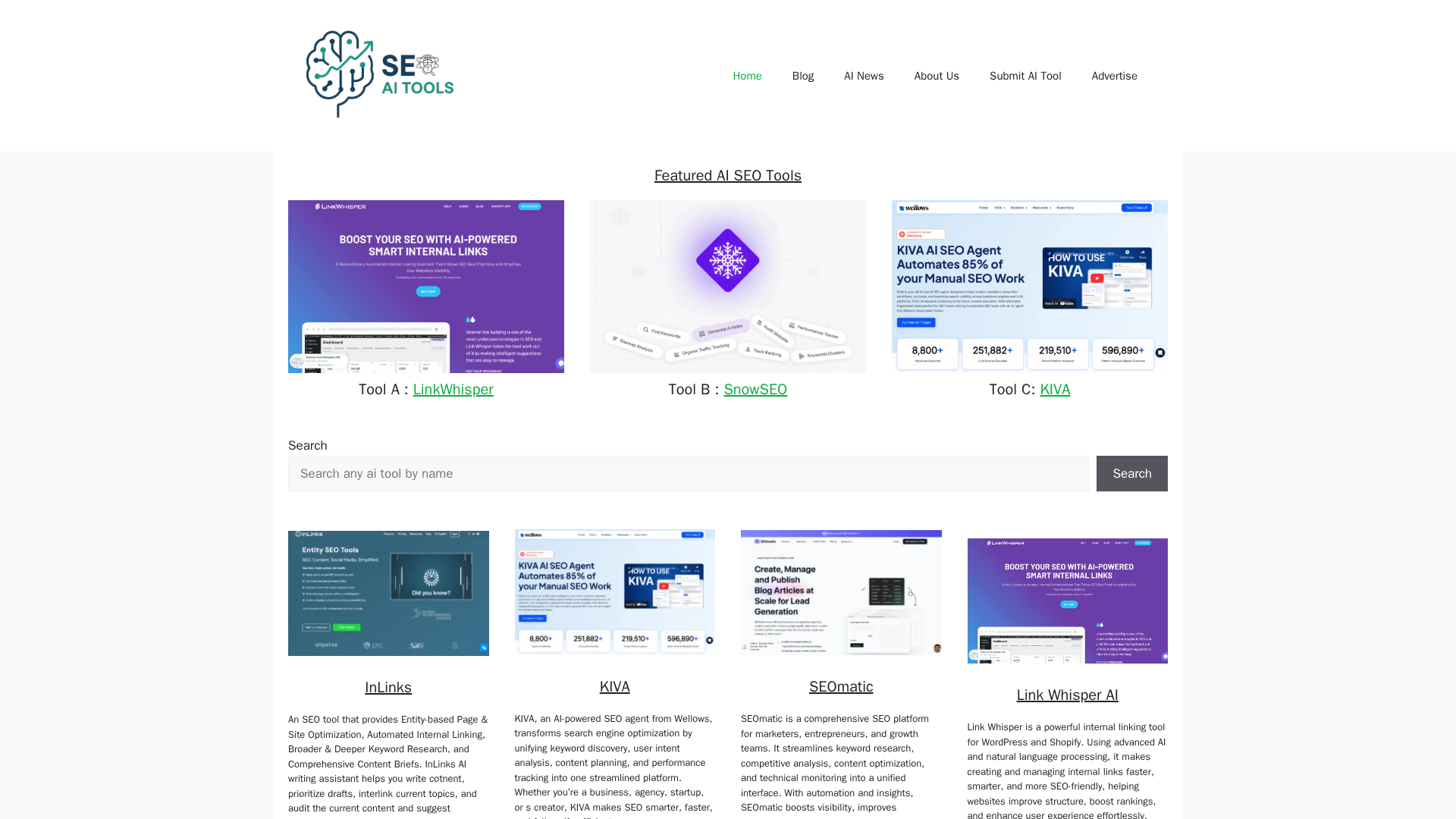
Use Best AI SEO Tools to find vetted AI platforms, test new workflows, and plug the best tools into your content, technical, and analytics stack.
Frequently Asked Questions
Q1: How do I know if AI SEO tools are actually improving my rankings?
Track a few simple metrics.
Watch keyword rankings, organic traffic, click through rate, and time on page.
Set a baseline before using AI, then compare 4 to 8 weeks later.
If rankings, impressions, or clicks are flat, your prompts, topics, or on page fixes are off.
Treat AI changes like tests, not magic.
Q2: Should I replace tools like SEMrush or Ahrefs with AI SEO tools?
No, use them together.
SEMrush and Ahrefs are strong for keyword data, backlinks, and audits.
AI SEO tools help you turn that data into briefs, outlines, and draft content.
Traditional tools show what to target.
AI helps you ship faster.
The mix is usually stronger than either alone.
Q3: Who gets the most benefit from AI SEO tools vs traditional SEO?
Three groups gain a lot.
- Solo creators who need to publish more with less time
- Small businesses that cannot hire a full SEO team
- In house teams that need faster workflows and better consistency
Traditional tools still matter.
AI just cuts the grunt work and keeps quality higher at scale.
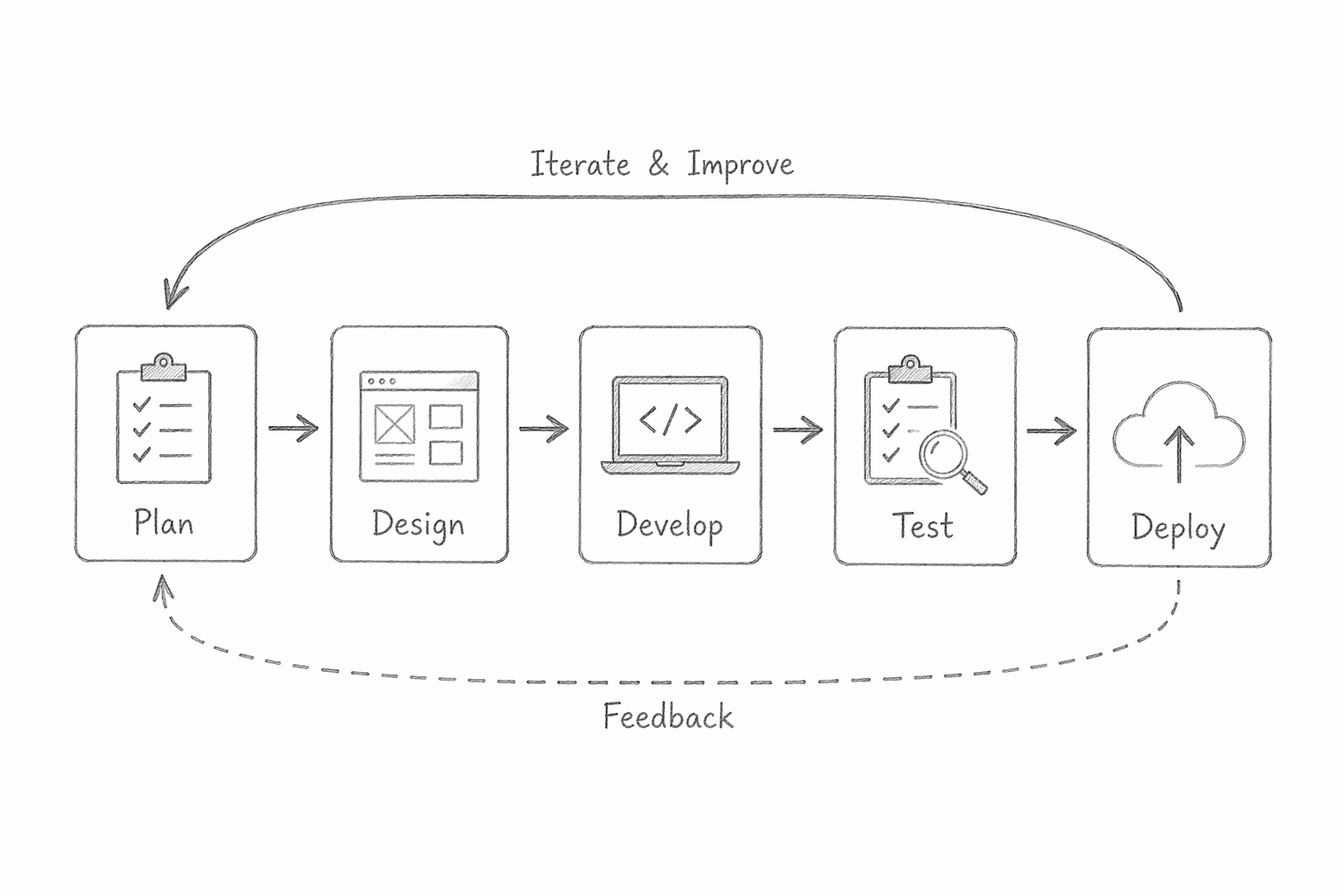
Q4: How do I build a simple hybrid AI plus traditional SEO workflow?
Follow a short loop.
- Use SEMrush or Ahrefs for keyword and competitor research
- Use an AI SEO tool for briefs and first drafts
- Edit for brand voice, facts, and search intent
- Publish and track results in your rank tracker
Repeat on a set schedule and keep a simple test log.
Conclusion
AI SEO tools win on speed and scale. They help you ship more content, run audits faster, and adapt to AI search surfaces that keep changing. Traditional SEO still does the heavy lifting on strategy, technical precision, and the kind of trusted content Google rewards, as long term studies of search behavior show search is still a dominant discovery channel pewresearch.org.
Effectiveness in 2026 is not either / or. You need to watch both organic rankings and AI visibility, like AI citations and brand mentions semrush.com. For most teams, a hybrid workflow is the sweet spot.